Producer and Publisher
Game production & development
Explore the games I've worked on, my role on each team, and the lessons I learned along the way.
Producer and Publisher
Producer
Producer
Producer, Publisher, and Level Designer
Producer and Publisher
Producer, Level Designer, and Artist
Select a card to explore the project.
Production styles must fit the team. Our developers preferred a hands-off approach, and simple tools like Google Sheets proved more effective than complex systems like Jira or ClickUp. Additionally, I learned that a Producer must also be willing to learn and be what the team needs.
Clay Beats is the largest project I've worked on, developed over eight months with a team of 30. I served primarily as an Art-Producer, collaborating closely with the Lead Artist to ensure high visual quality. I led weekly art team meetings, facilitated interdisciplinary communication, and helped delegate tasks effectively.
When there were gaps in tasks, I stepped up to fill them. For example, I co-developed a master material in Unreal Engine to achieve the game’s distinct clay aesthetic. As a Producer, I used Microsoft Teams, ClickUp, and Google Sheets to manage tasks, set sprint goals, and track priorities.
Additionally, I acted as the Publisher, overseeing the full Steam release pipeline, including post-launch updates. In regard to the post-launch updates, we wanted to ensure we delivered the experience we set out to create. To expand upon the core mechanics of the rhythm game, to better drive up player engagement.
It's important to take time to reflect on the work that has been done. To prepare a vertical slice not only for the stakeholders and executives, but to have one ready for the team whenever possible. So the team can see the bigger picture, and how far along the game is. It builds trust across the board.
I worked on a team of seven for SevenSeas. As the Producer, I worked to facilitate cross-functional collaboration, established the minimum viable project with the team, held daily standups, established the timeline, managed task tracking with Trello, and kept the project in scope.
I also filled the gaps where needed, redistributing and taking on engineering work to both keep the team morale high by avoiding crunch and ensure deadlines were met.
It's crucial to step in when you see someone overworking. To redistribute the work where it can be, and tell said person to get some sleep. Your best work doesn't happen running on fumes, it happens when you're fueled. Furthermore, it's important to make the tough calls sooner to avoid rocky development later.
I worked on a team of seven to create One More Slot? a serious game exploring and discussing the tactics casions utilize to keep their clients from walking out. I was the Producer, one who established the timelines, encouraged and facilitated cross-disciplinary communication, managed task tracking, and ensured every member of the team was supported and aligned with the final vision of the game.
I also learned any skills that the team needed, such as establishing version control with Perforce and gathering peer reviewed research papers to serve as our knowledge base of the subject matter.
Sometimes, as a Producer, there are things you can't control. Sometimes truly unfortunate life events will cause a team member to take the time you need. And during this, the Producer should step in to ensure the process is streamlined on all fronts. To put in the extra work, to keep the pipeline intact, and to keep everyone afloat.
Frankenstein Body Builder is a small project I worked on with a team of 5. I worked as the Producer, working with every member to establish an efficient pipeline utilizing the Agile methodology.
I also worked as the level designer, using Unreal Engine to create all the levels and some of the mechanics.
Do not be afraid to scale back the scope of your game.
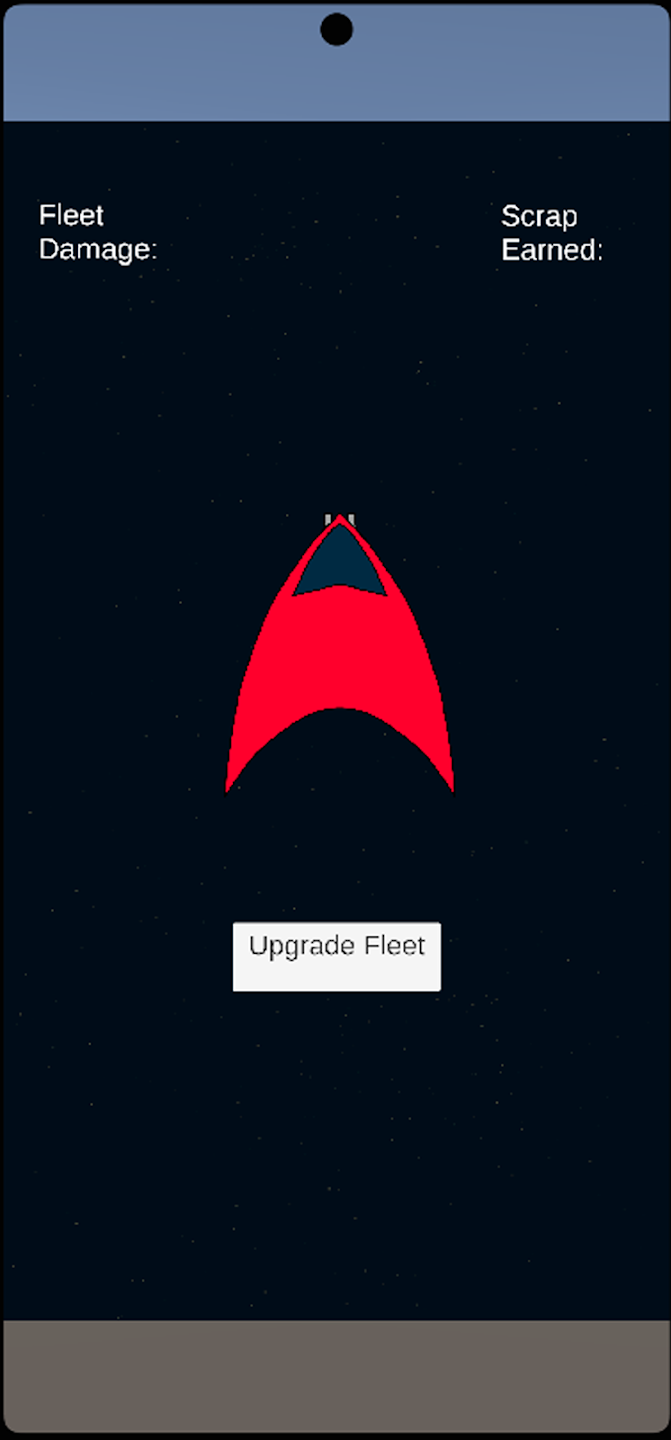
TapFleet is a mobile game I worked on as part of a team of three. I served as the Producer and Publisher.
Utilizing the Agile methodology, I established an effective pipeline to meet our goal-- a mobile game on the Google Play Store in one month.
A Producer, especially on small teams, should be ready and willing to get their hands dirty. To have various skills to assist the different disciplines and pipelines. And, more importantly, a willingness to learn the skills that the team needs.
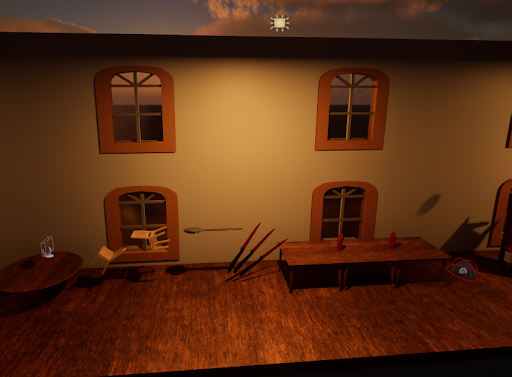
Red Flag, Green Flag is an alternative game that four others and I worked on during my junior year. I worked as the Producer and an Artist.
Outside of Unreal Engine, I led weekly meetings, managed task lists, and ensured steady production. In-house, I modeled art assets, created level mechanics, and integrated them into our levels.